
5 Banned Books From The 19th Century That Are Hard To Find Today
Books Were Dangerous
Though it might not seem like it, book banning certainly isn't a modern invention. Throughout the 19th century, courts and moral campaigners targeted works that challenged accepted ideas about just about every topic under the sun. Some titles became classics, but finding an original edition—or one with everything early censors wanted removed—can be another matter entirely. Let’s explore 5 literary troublemakers that are rare finds today.

1. Les Fleurs Du Mal — Charles Baudelaire
Charles Baudelaire's 1857 poetry collection Les Fleurs du Mal quickly landed its author and publisher in court in France. Six poems were actually ordered suppressed for offending public morality, and that restriction didn’t go away for decades. Surviving copies are valuable collectors' items.
2. The Kreutzer Sonata — Leo Tolstoy
Few writers could stir up controversy quite like Tolstoy. His 1889 novella The Kreutzer Sonata tackled a lot of heavy topics, like marriage, jealousy, and relationships—and it alarmed Russian authorities, who stopped its publication. The book also encountered censorship abroad.
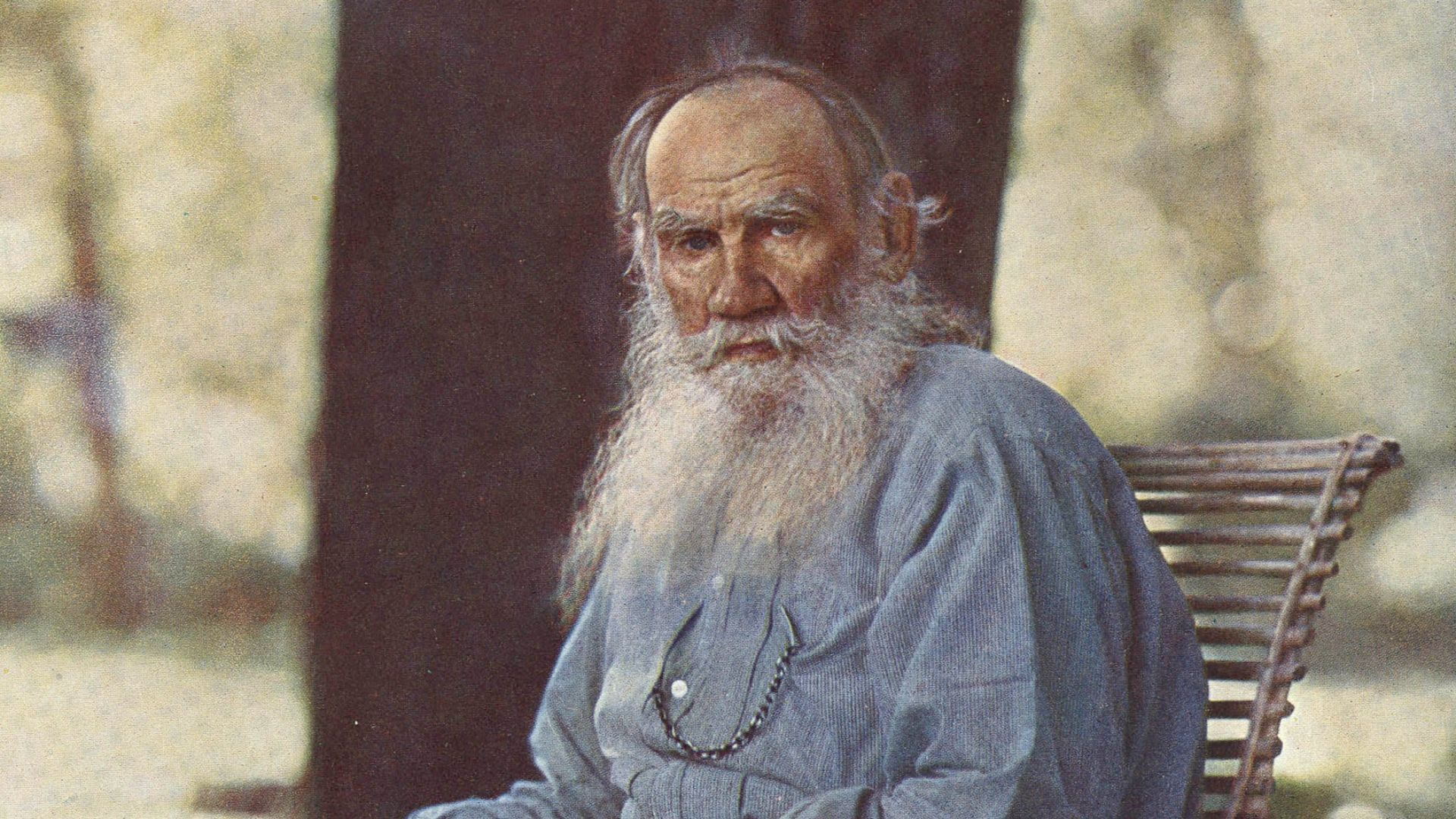 Sergei Prokudin-Gorskii on Wikimedia
3. La Terre — Émile Zola
Émile Zola wasn't known for politely looking away from life's messier details, and La Terre demonstrated that. Published in 1887, the novel's depiction of rural life was especially controversial in Britain. Publisher Henry Vizetelly even faced prosecution for issuing an English translation, making surviving copies even harder to nab.
4. The Fruits of Philosophy — Charles Knowlton
Originally written by Charles Knowlton, Fruits of Philosophy became the center of a major British obscenity case decades after its first publication. Devoted activists Charles Bradlaugh and Annie Besant republished the birth-control manual in 1877, though they were prosecuted for doing so. Victorian authorities weren't exactly enthusiastic about its advice, either.
5. Leaves of Grass — Walt Whitman
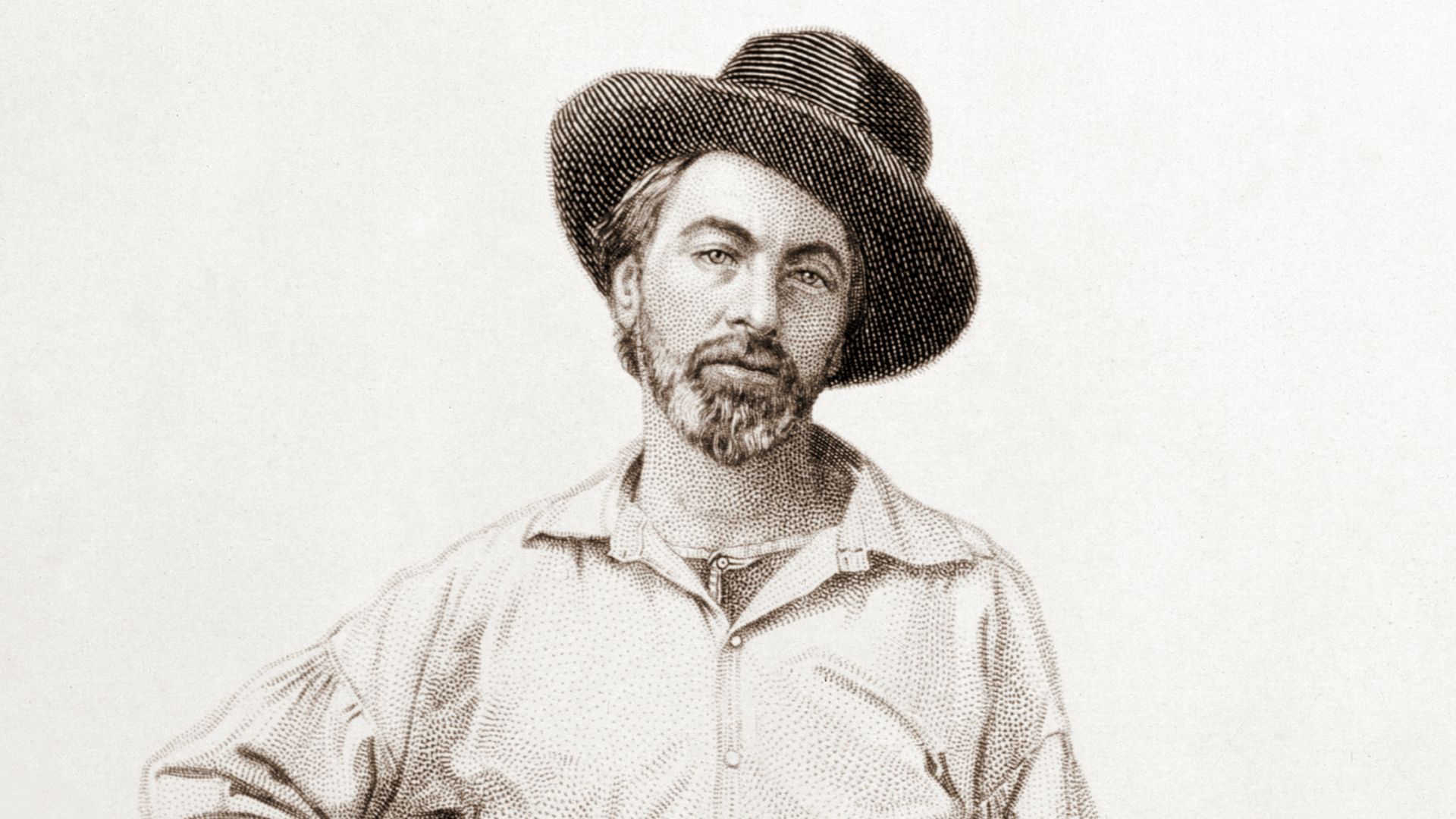
Today, Leaves of Grass sits in the American literary canon, but Walt Whitman's poetry didn’t always have the title. The collection's sensual language repeatedly attracted criticism, and an 1881 edition ran into trouble with Boston authorities, who demanded changes.