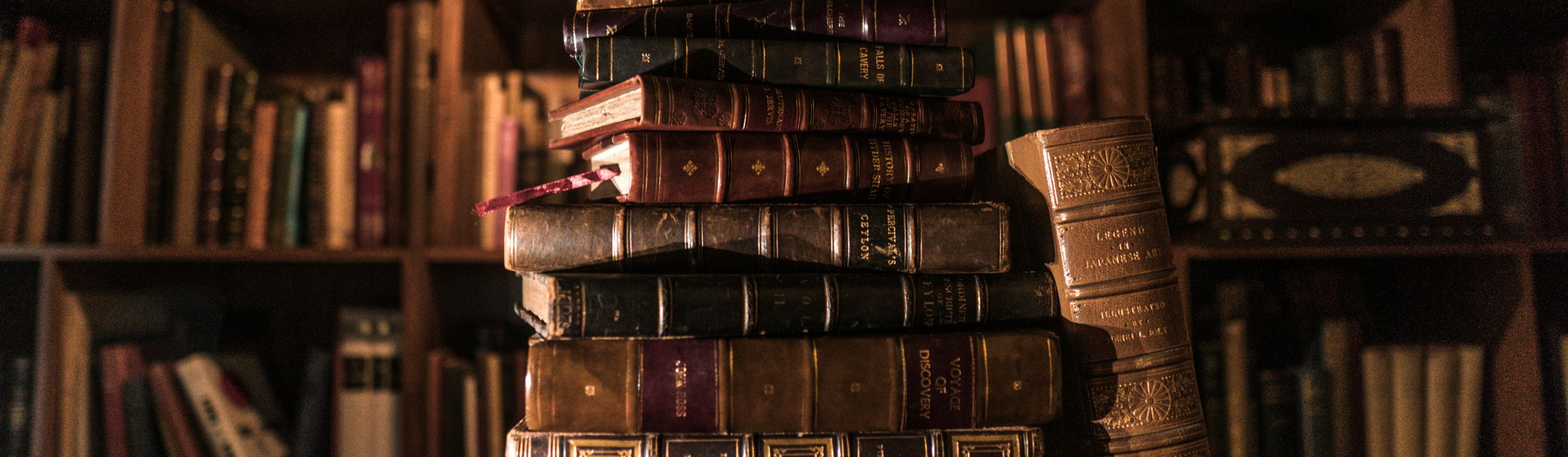
Some Great Books Never Quite Make It Off the Shelf
There’s a special category of classic literature that people love to mention while also quietly avoiding. Usually, it’s not because they lack brilliance—it’s because they ask a lot from the reader, whether through dense language, unusual structure, philosophical detours, or sheer size. Let’s go through five classic books we’d never judge you for not finishing.
1. Ulysses by James Joyce
If one book has built a reputation for intimidating readers, it’s Ulysses. Joyce’s style is famously dense and slippery, which means you can read a page and still feel like he was in personal competition to outsmart you. Plenty of people buy it with good intentions, but finishing it is another story.
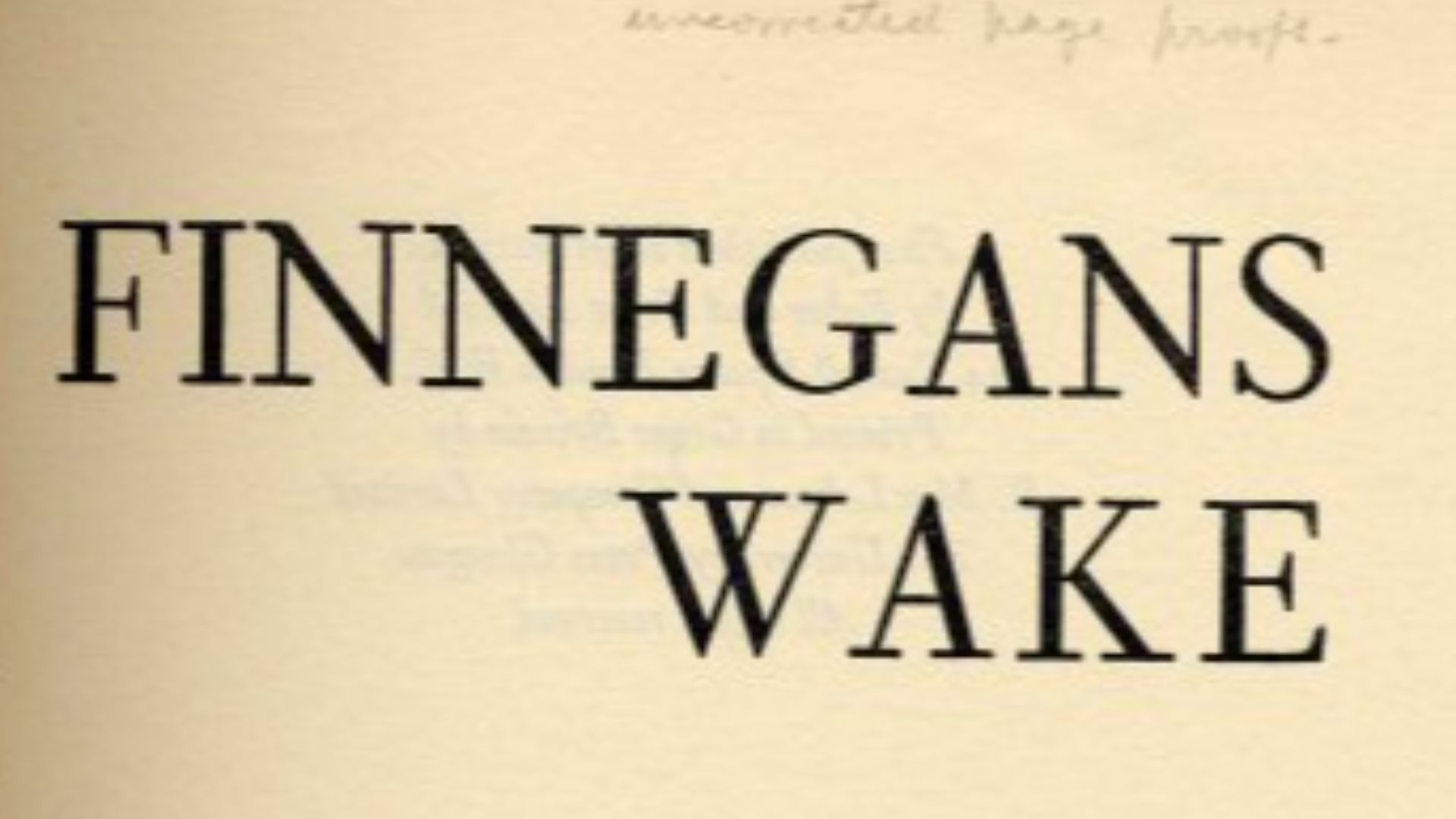
2. Finnegans Wake by James Joyce
Oh, yes, he’s back at it again. We now have this gem, which almost made Ulysses look approachable. Finnegans Wake is less a conventional novel than a linguistic experiment that seems determined to blur the line between reading and deciphering.
3. In Search of Lost Time by Marcel Proust
Proust’s masterpiece is legendary for its brilliance, but it’s also astonishingly long. Make no mistake, this book’s in no rush to entertain you, and it certainly doesn’t care if your attention starts to wander. That said, the challenge is more than worth it for some bibliophiles.
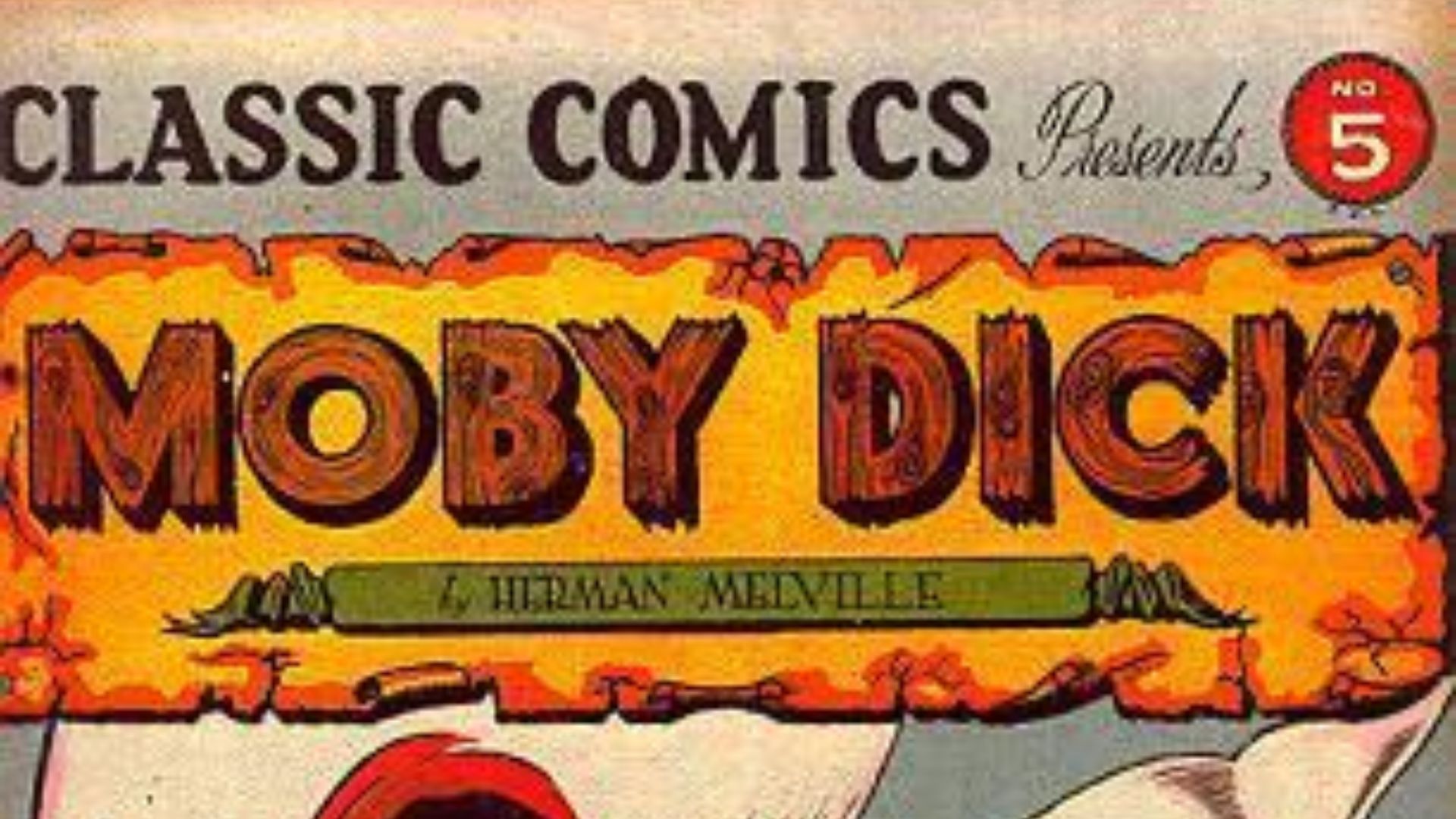
4. Moby-Dick by Herman Melville
People often remember Moby-Dick as the whale book, which is technically true, but that description leaves out just how difficult it is to actually finish. It has greatness, but it also has a remarkable ability to make you feel like you’re back in school. That combination alone keeps plenty of readers admiring it from a distance.
5. The Sound and the Fury by William Faulkner
Faulkner doesn’t make things easy, and that’s part of both his genius and his menace. The Sound and the Fury drops you into fractured perspectives and streams of consciousness that refuse to hold your hand. It’s a remarkable novel, but you’ve got to meet it on its terms.
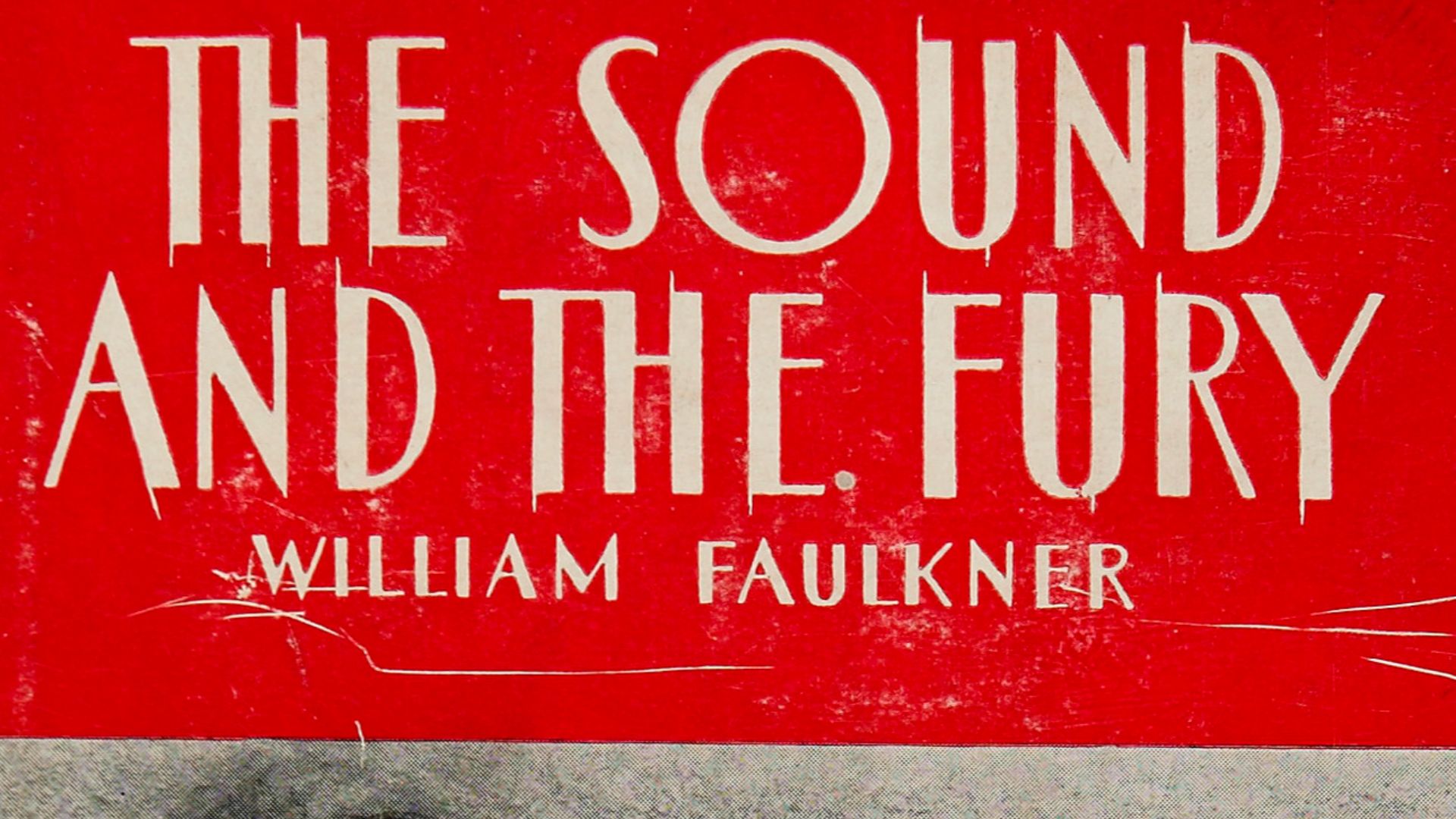 Published in New York by Jonathan Cape and Harrison Smith. Illustrator uncredited. on Wikimedia