
When “Important Literature” Fights Back
We’d all love to make more time for reading…so long as we can actually decipher what’s on the page. And what’s everyone’s biggest hurdle? The oldies! The reality is that classic books have a charming way of making readers feel both cultured and mildly defeated—but struggling doesn’t mean you’re a bad reader. It just means you’ve wandered into writing that asks for patience, focus, and perhaps a very strong cup of coffee. Come with us as we explore a few of the most challenging names.
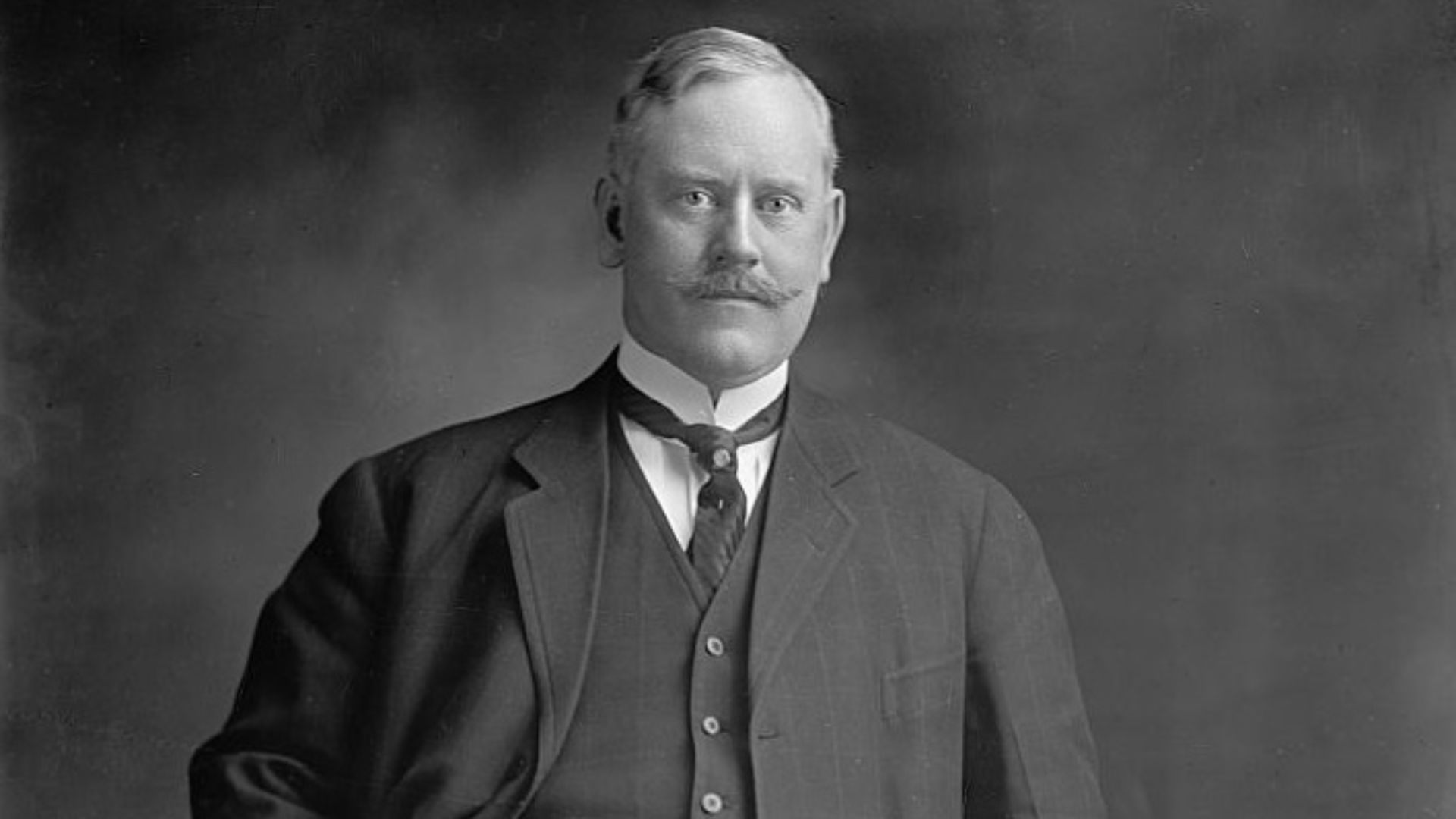 Harris-Ewing collection on Wikimedia
1. James Joyce
James Joyce has a reputation for turning ordinary moments into dense literary obstacles. His sentences can stretch and leap from thought to thought without much warning, especially in his more popular works. You’re not just following a story with Joyce; you’re decoding language, memory, jokes, and references all at once.
2. William Faulkner
Faulkner doesn’t always hand readers a clear map, which is part of his brilliance. Of course, that’s also part of the reason people panic halfway through a chapter. Don’t worry, once you settle into the rhythm, the emotional depth becomes easier to appreciate.
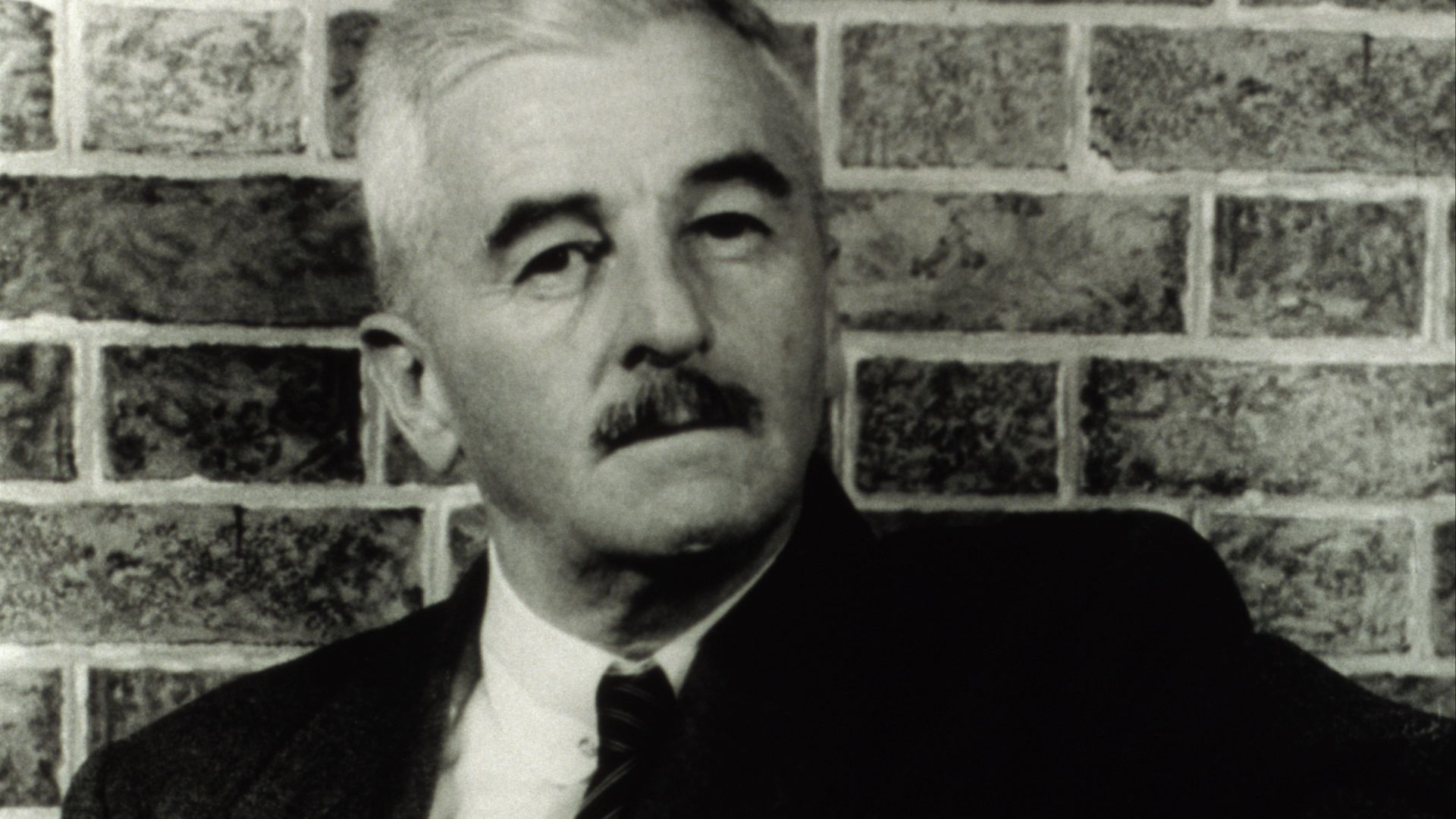 Carl Van Vechten / Adam Cuerden on Wikimedia
3. Virginia Woolf
Let’s hear it for female representation! Virginia Woolf can make a character’s inner life feel alive, but her style requires a seriously strong attention span. Instead of straightforward action, she often moves through memories and emotional undercurrents like it’s nothing. So, if you’re expecting a neat plot, Woolf will make you slow down.
4. Herman Melville
Melville’s Moby-Dick is famous for being a whale story that keeps pausing to become an encyclopedia, sermon, travelogue, and philosophical debate. If it sounds confusing, that’s because it is! The good news is that reading him is easier once you accept that the side roads are part of the adventure.
5. Leo Tolstoy
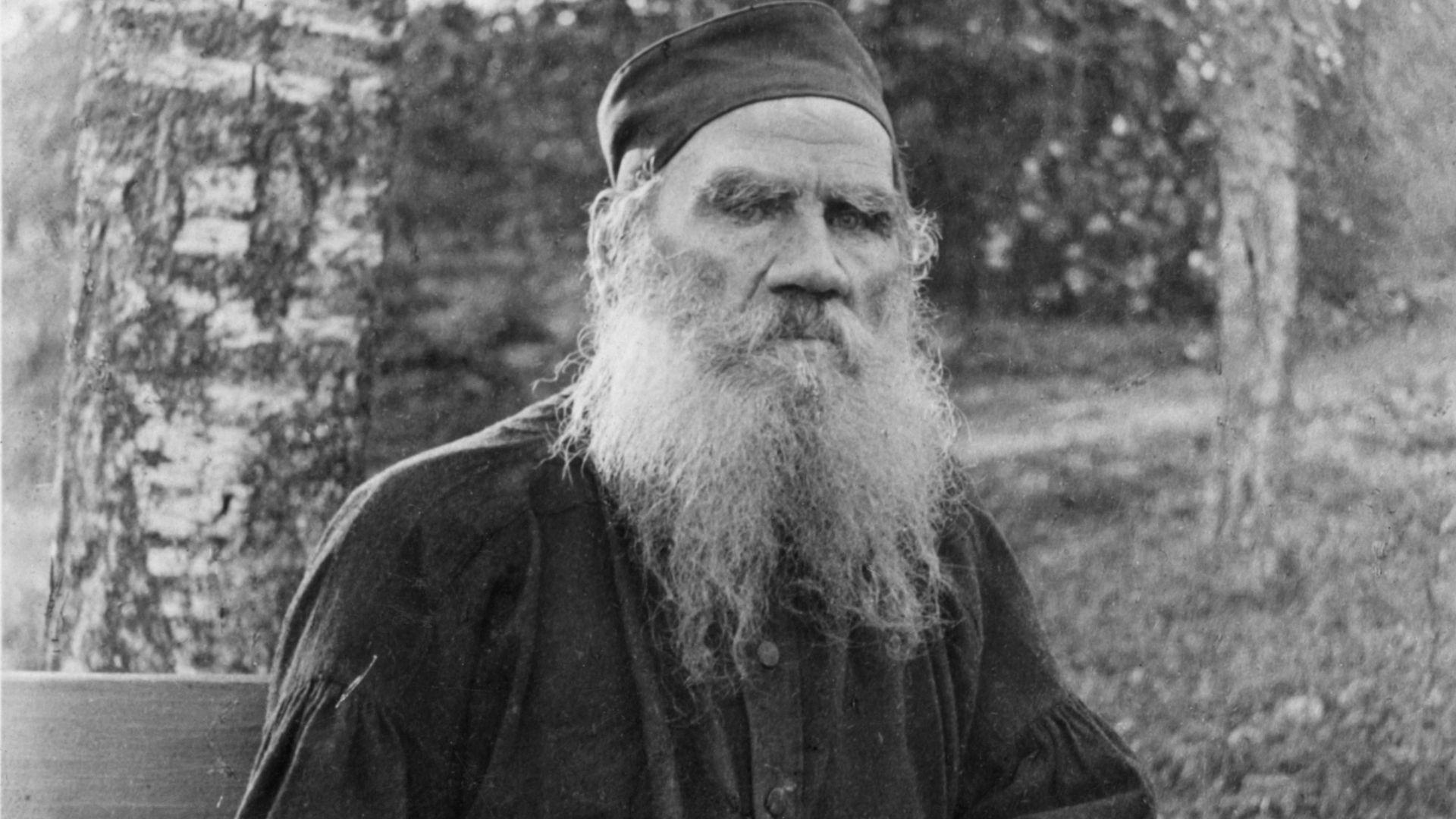
You’ve heard the name, but have you read his tales? It’s okay if you haven’t—Tolstoy’s difficulty comes from scale. His novels are packed with everything from families and politics to moral questions and characters with incredibly long names. That said, if you stay with him, his world becomes deeply absorbing, and the struggle is worth it.