

Behind The Pen
Everyone knows the name of this incredible author who has created numerous works still popular today, but there's more to praise him for than just his ability to write plays. William Shakespeare is often credited with expanding English in ways that still feel surprisingly current. Whether he truly “invented” every term attributed to him can be debated, but several words are first recorded in his plays and poems. Below are just five notable examples!

1. Assassination
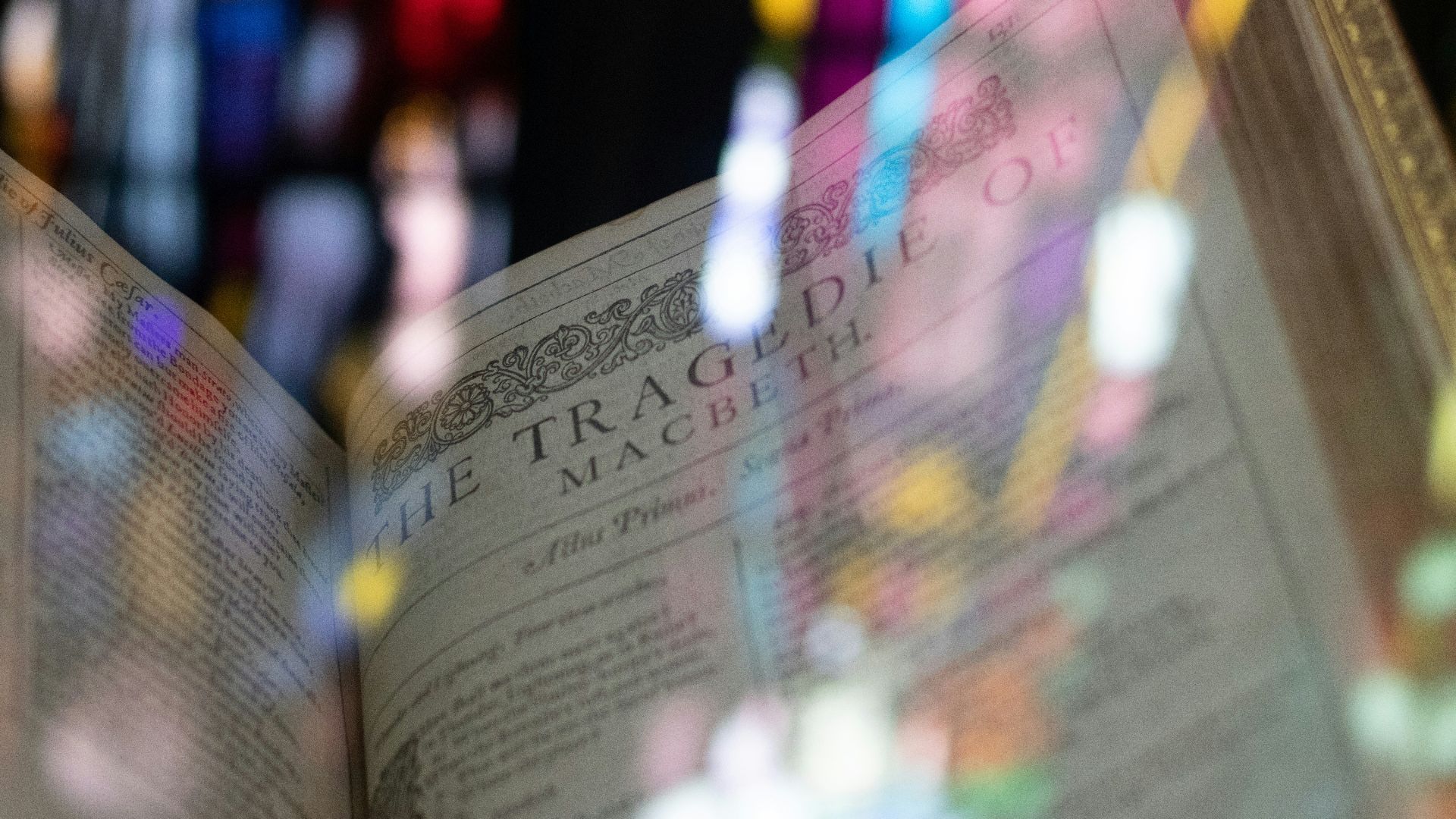
Given how much betrayal is in his works, it makes sense that such a word is deeply associated with this acclaimed writer. This word is widely credited to Shakespeare and is first recorded in Macbeth. It refers to the deliberate killing of an important person, especially for political reasons. Shakespeare uses it with a stark seriousness that fits the play’s tense focus on power and consequence.
2. Lonely
A seemingly common word, it may be surprising to learn that the word "lonely” is commonly attributed to Shakespeare, with early evidence appearing in Coriolanus. It describes the feeling of being alone or isolated, whether physically or emotionally. The word remains straightforward and useful because it names a familiar experience with precision.

3. Bedazzled
A fun word with a lot of flair, this word is certainly one you probably didn't associate with Shakespeare. But actually, he's often credited with the earliest recorded use of “bedazzled” in The Taming of the Shrew. It means to impress or dazzle someone strongly, sometimes to the point of confusion or distraction.
4. Swagger
“Swagger” is frequently traced to Shakespeare’s use in A Midsummer Night’s Dream. Despite being a word that's been around for ages, there's something extremely modern to it that make people surprised by this fact! It refers to a confident, sometimes overly bold manner of walking or behaving. The word can be complimentary or critical,

5. Eyeball
Yes, it's a body part, but it's also a word that Shakespeare is commonly credited with. Early use of “eyeball” is seen in The Tempest. It names the eye in a direct, anatomical way that sounds ordinary now but was strikingly specific then.