The Ultimate Horror Guide for Fans of the Macabre
If you think horror is all jump scares and spooky soundtracks, the 1800s would like a word. This is the century that basically bottled dread, corked it with genius, and dared you to take a sip—so if you’re craving eerie classics with real bite, you’re in the right place.
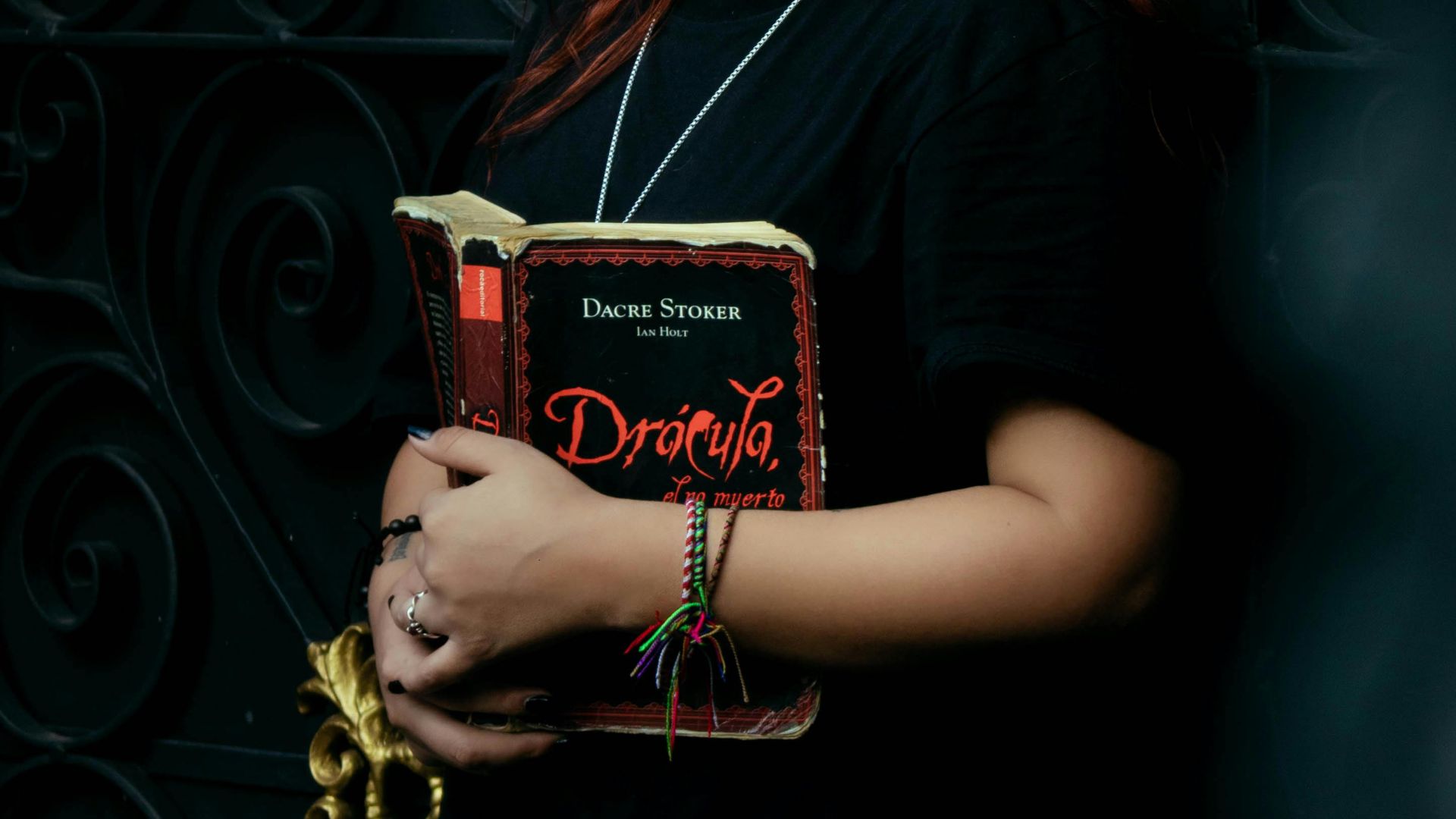
1. Frankenstein — Mary Shelley (1818)
Shelley doesn’t just toss you a monster; she hands you a tragic science-gone-wrong spiral that still feels uncomfortably modern. You’ll catch yourself switching sides between creator and creation, and that’s where the chills really start.
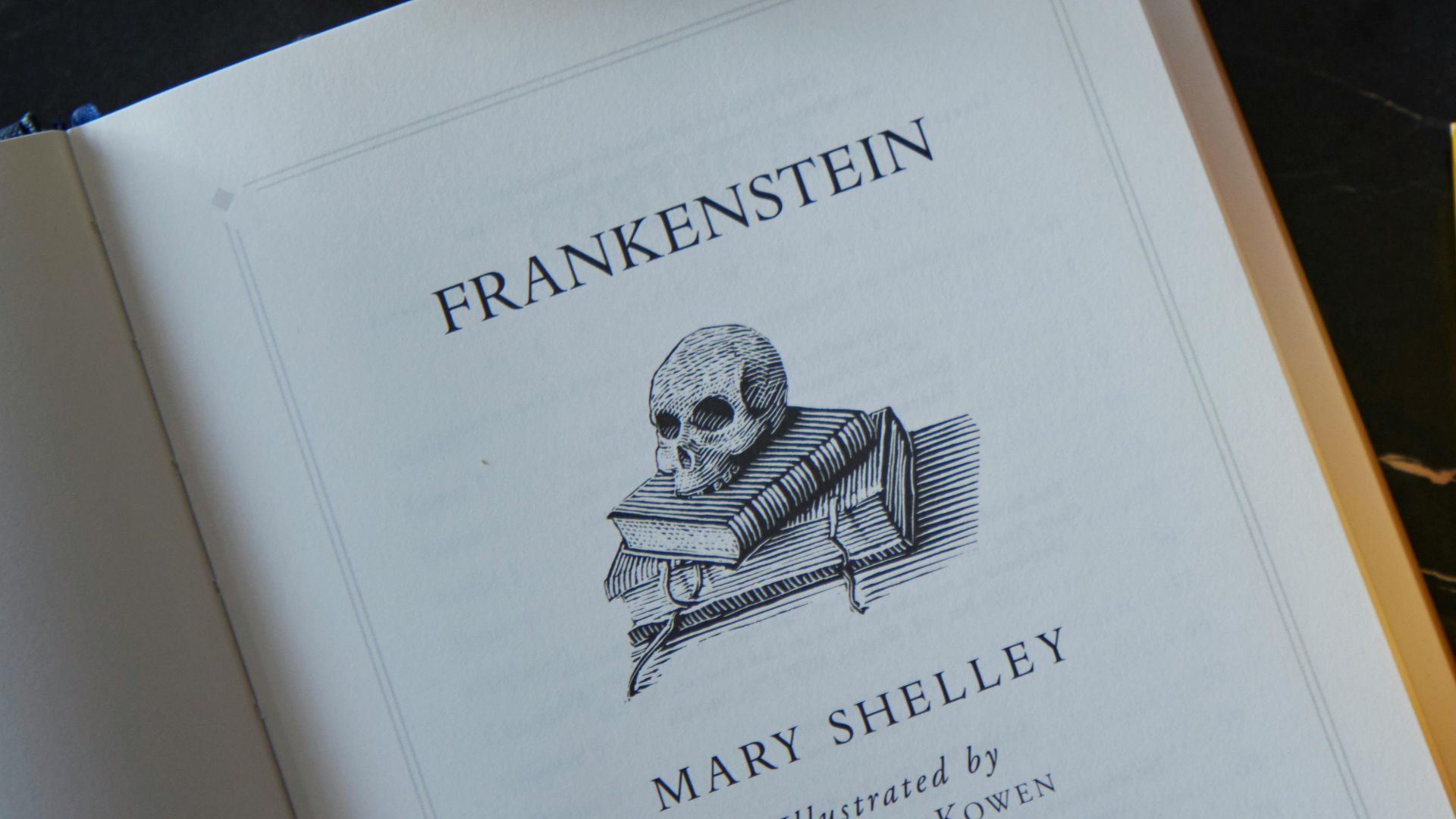
2. The Strange Case of Dr. Jekyll and Mr. Hyde — Robert Louis Stevenson (1886)
This one is a sleek, sharp nightmare about the masks people wear—and what happens when the mask stops fitting. It’s short, nasty, and way too good at making you wonder what you’d do with a private door to your worst self.
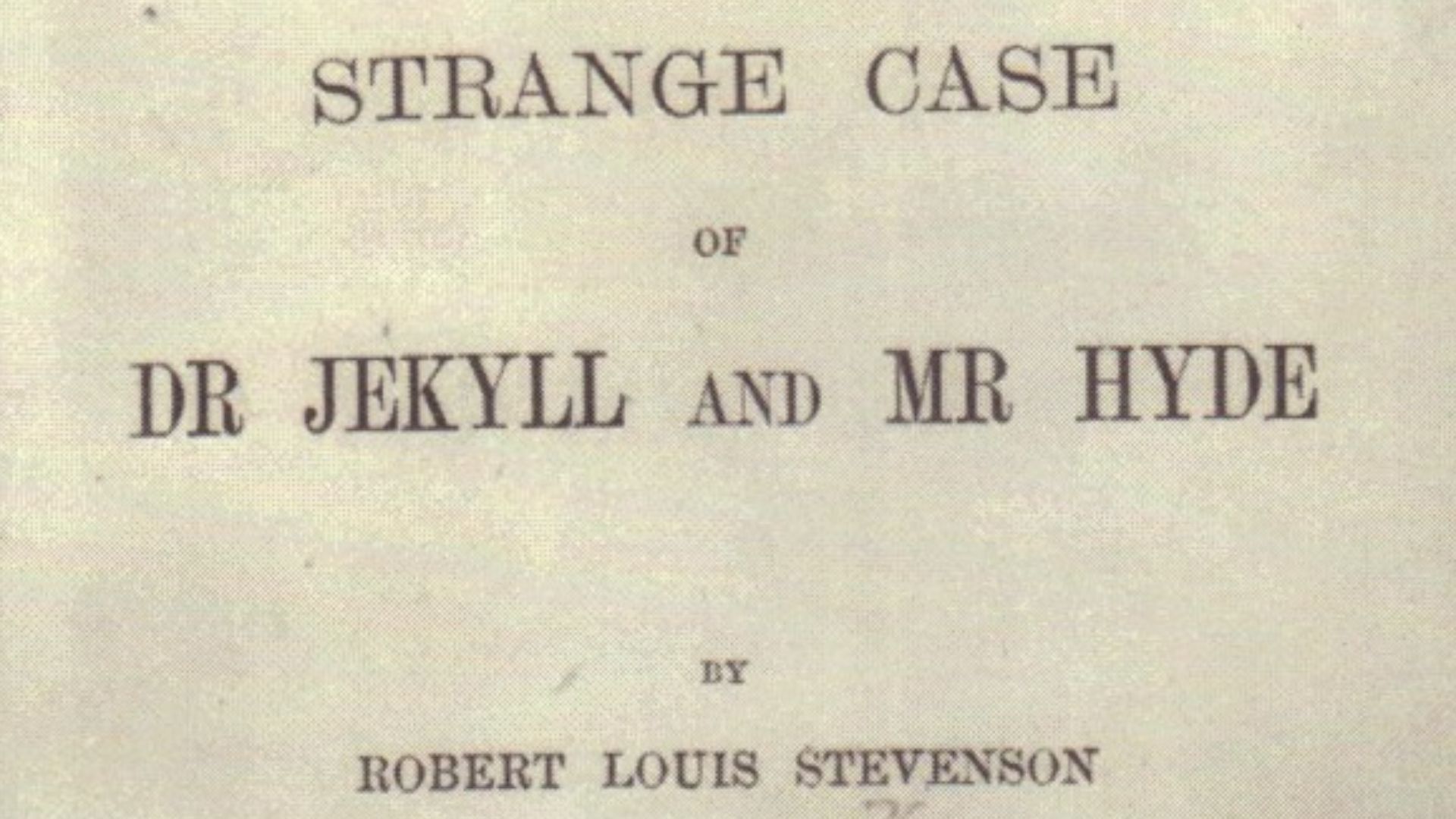 Stbalbach~commonswiki on Wikimedia
3. Dracula — Bram Stoker (1897)
Stoker turns letters, journals, and frantic notes into a slow-burning panic attack that somehow keeps getting worse. By the time the Count’s shadow stretches across the page, you’ll be checking your own windows at home.
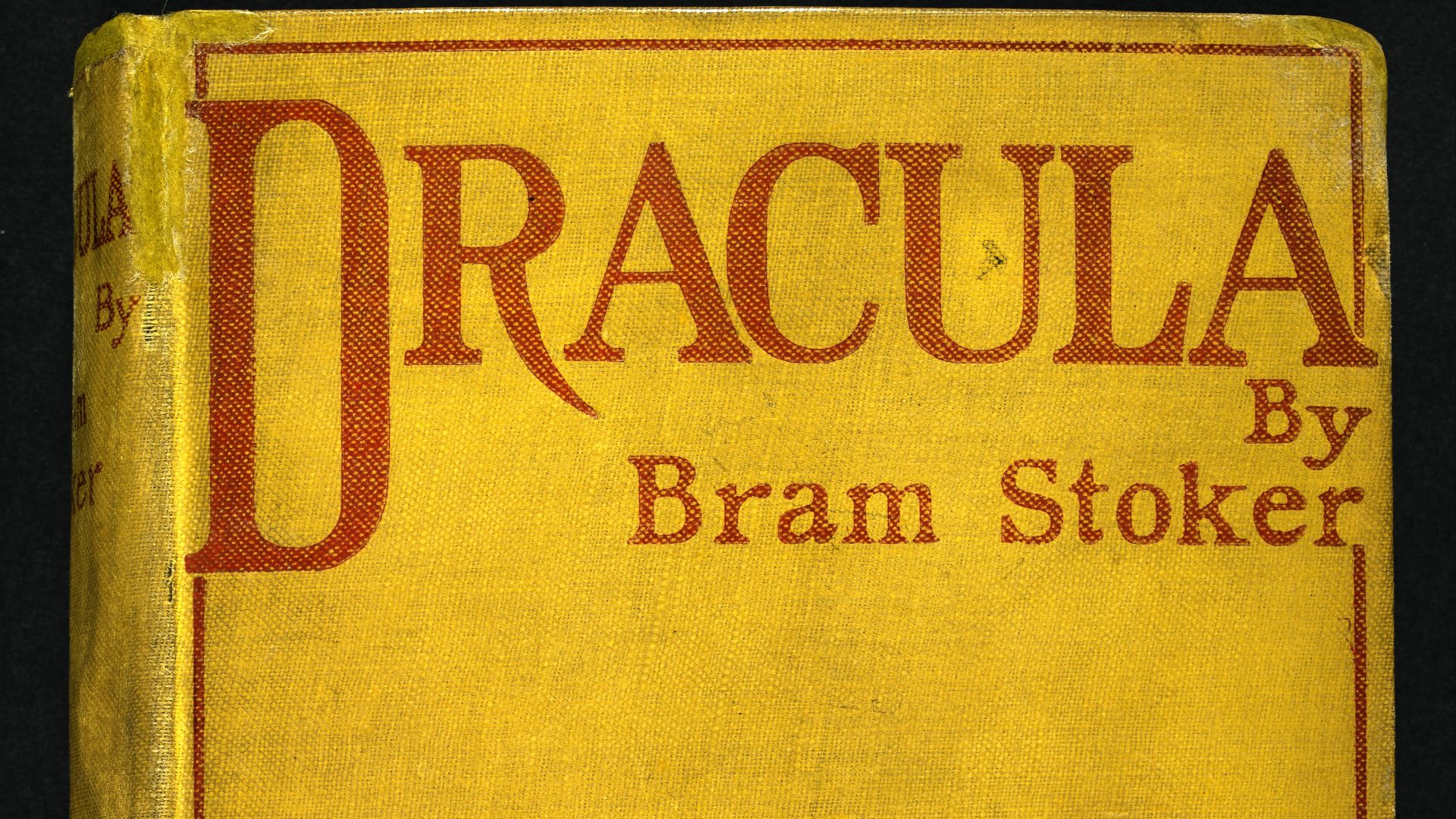 British Library Board on Wikimedia
4. The Picture of Dorian Gray — Oscar Wilde (1890)
Wilde serves horror with a wink: glamorous parties on top, moral rot underneath, and a portrait screaming in silence. Consider this the ultimate warning that vanity is a horror story all its own.
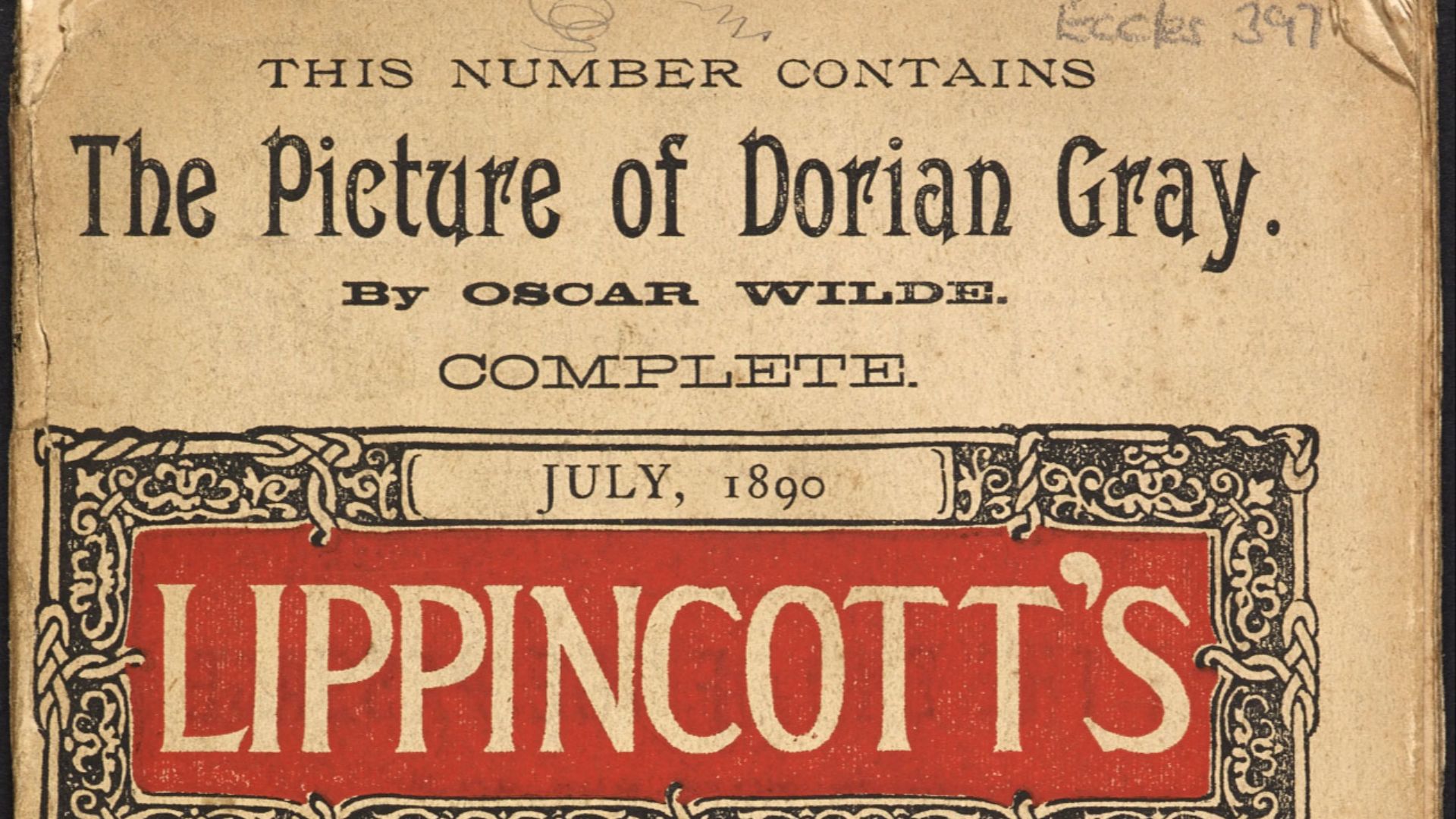 Unknown authorUnknown author on Wikimedia
5. The Turn of the Screw — Henry James (1898)
James traps you in a creepy country house where every whisper lands like a pinprick on your nerves. The real terror is how the story keeps slipping away from certainty, leaving you alone with your own suspicions.
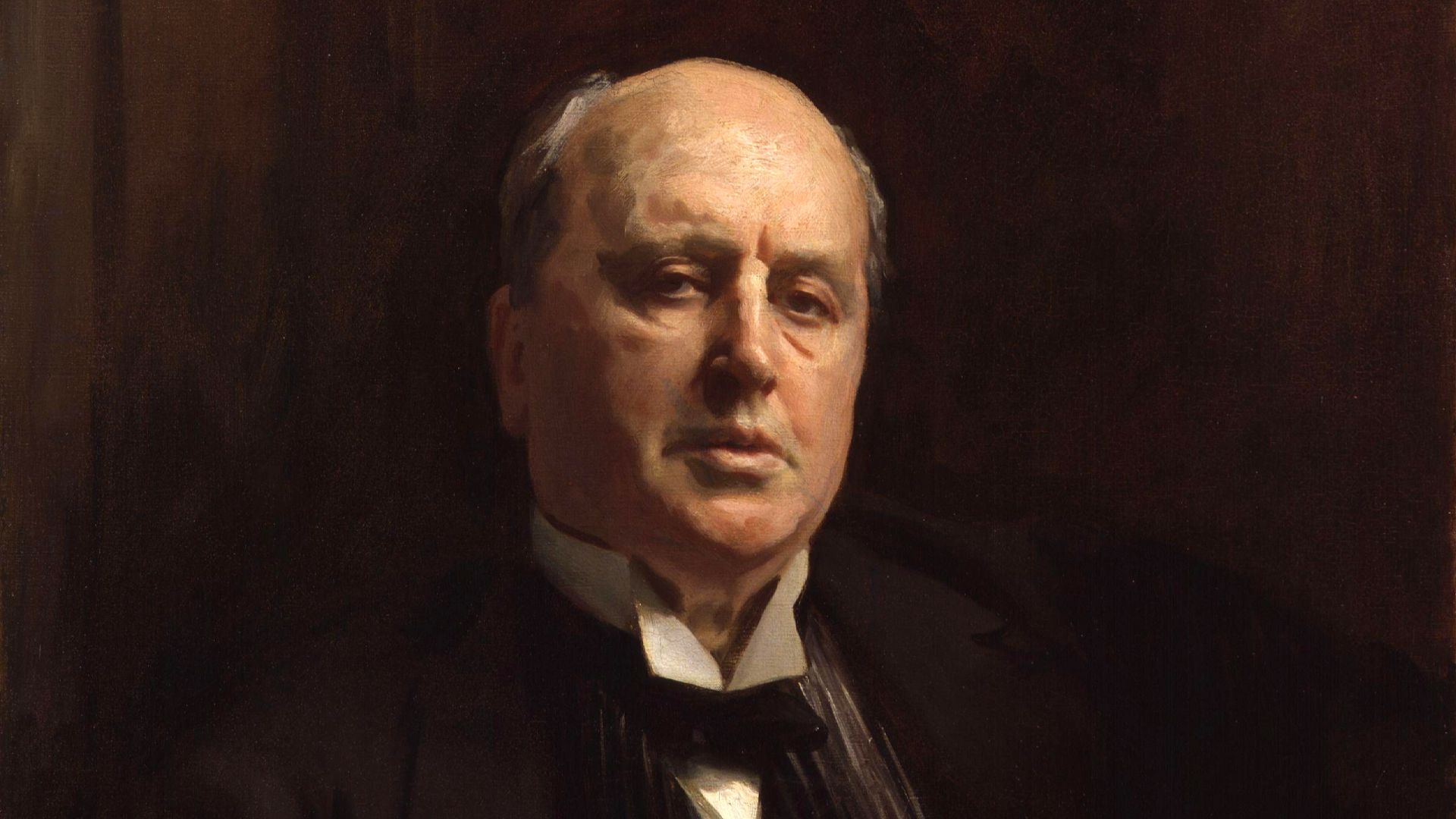 John Singer Sargent (died 1925) on Wikimedia